The Feeling Self

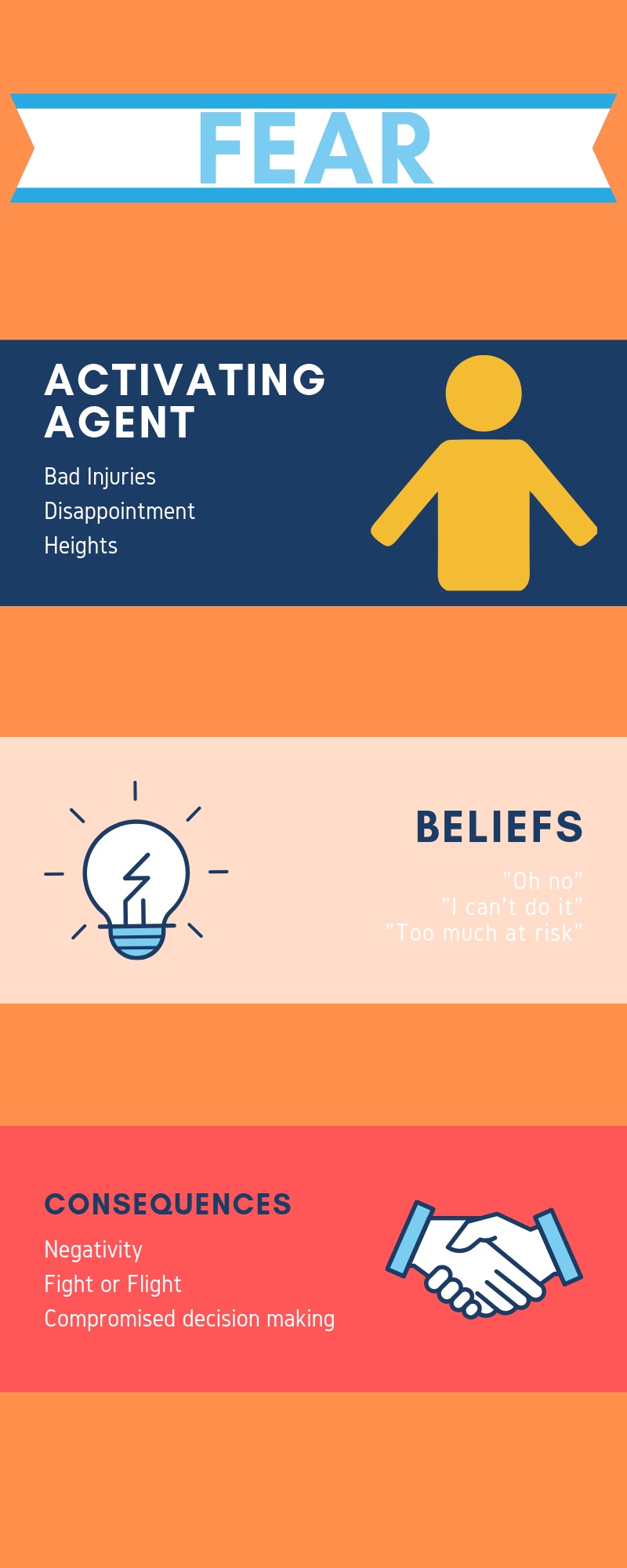
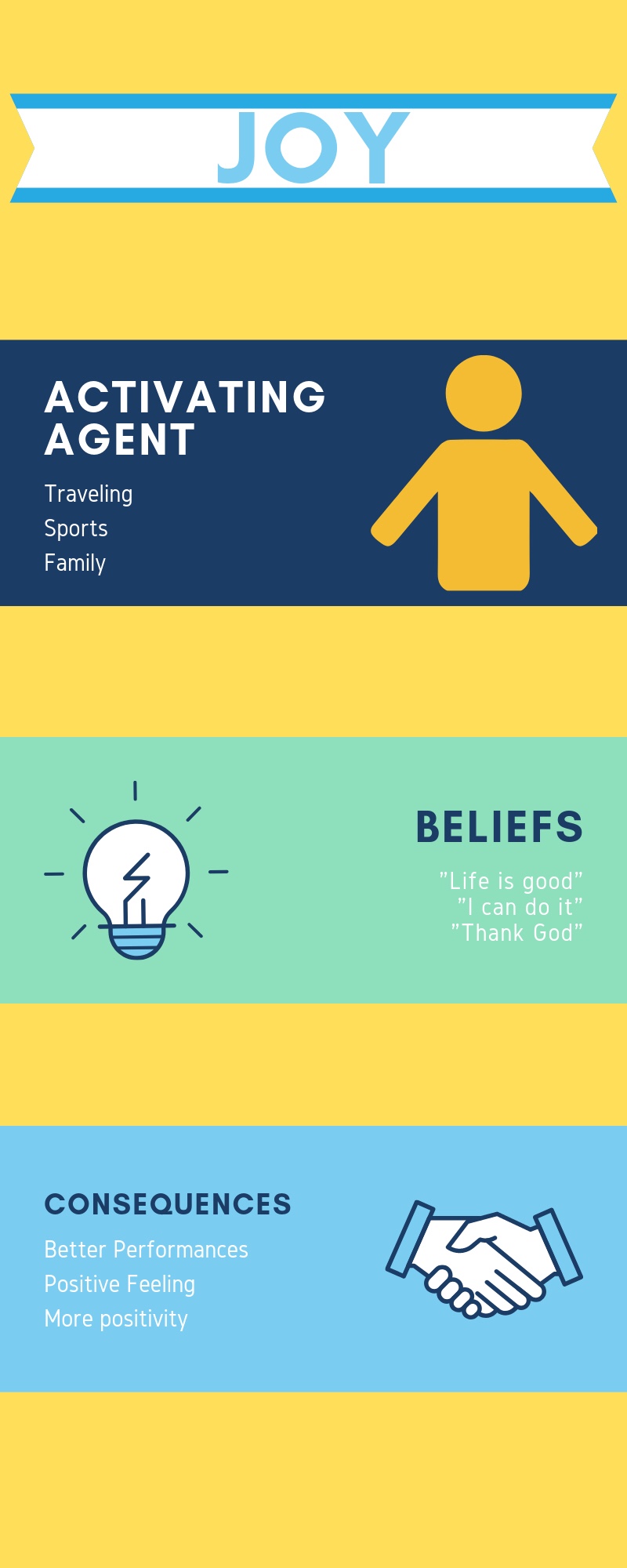
The Feeling Self by Paul Elkman has taught me about emotions & it’s features. The antecedent is the cause and trigger of our emotions. It then leads to cognitive and that’s our interpretation of an event. Then that translates into physiological and behavioural. The Display rule which speaks of cultural rules that dictate how emotions should be expressed; when and where expression is appropriate.

A topic that truly made me realize things about myself was the Display rule. Sometimes I feel forced to show certain emotions even if I don’t feel it. I use it to disguise my true feelings. I remember losing an important basketball game and I had dinner with my friends after and I had to pretend I was fine but inside I was truly devastated.

I have also noticed my Physiological reactions to certain things. Like when I’m on the court I realize my heart rate gets faster when I’m nervous. Behavioural reactions are what generates the my display rule.

I can apply this to my life by recognising my emotions and understand why I’m feeling that way. Then try to recognise the appropriateness of my emotions. I can see the whole process of this with the ABC model. This shows the Activating agent like an actual event leading to my Beliefs and that’s what I use to evaluate rationally or irrationally and then finally Consequences which is my emotions and behaviours.

The Thinking Self

The thinking self has two systems helping with decision makings. System 1 is in charge of fast and intuitive decisions while system 2 is slow and analytical. None of them is better than the other. They both are needed for cognitive efficiency. Cognitive biases causes us to have systematic errors.

Understanding this aspect of decision making has made me realize the complexity of our brain. It is also able to create decisions when it is needed. Occasionally, we don’t have time to be slow and analytical, we have to be fast and intuitive. An activity that made me realize how these systems work is driving. In driving, you don’t have time to think, you have to be on your toes and have to act immediately. For system 2, navigating my routes before I drive it is important for me to Analyze the routes to get to my destination as fast as possible. System to helps me analyze the areas of traffic and congestion on the streets. Understanding cognitive biases has helped me try to understand more perspectives instead of jumping into conclusions. I have learned to put a guard against cognitive biases by listening to understand rather than to answer.

IMG_3381

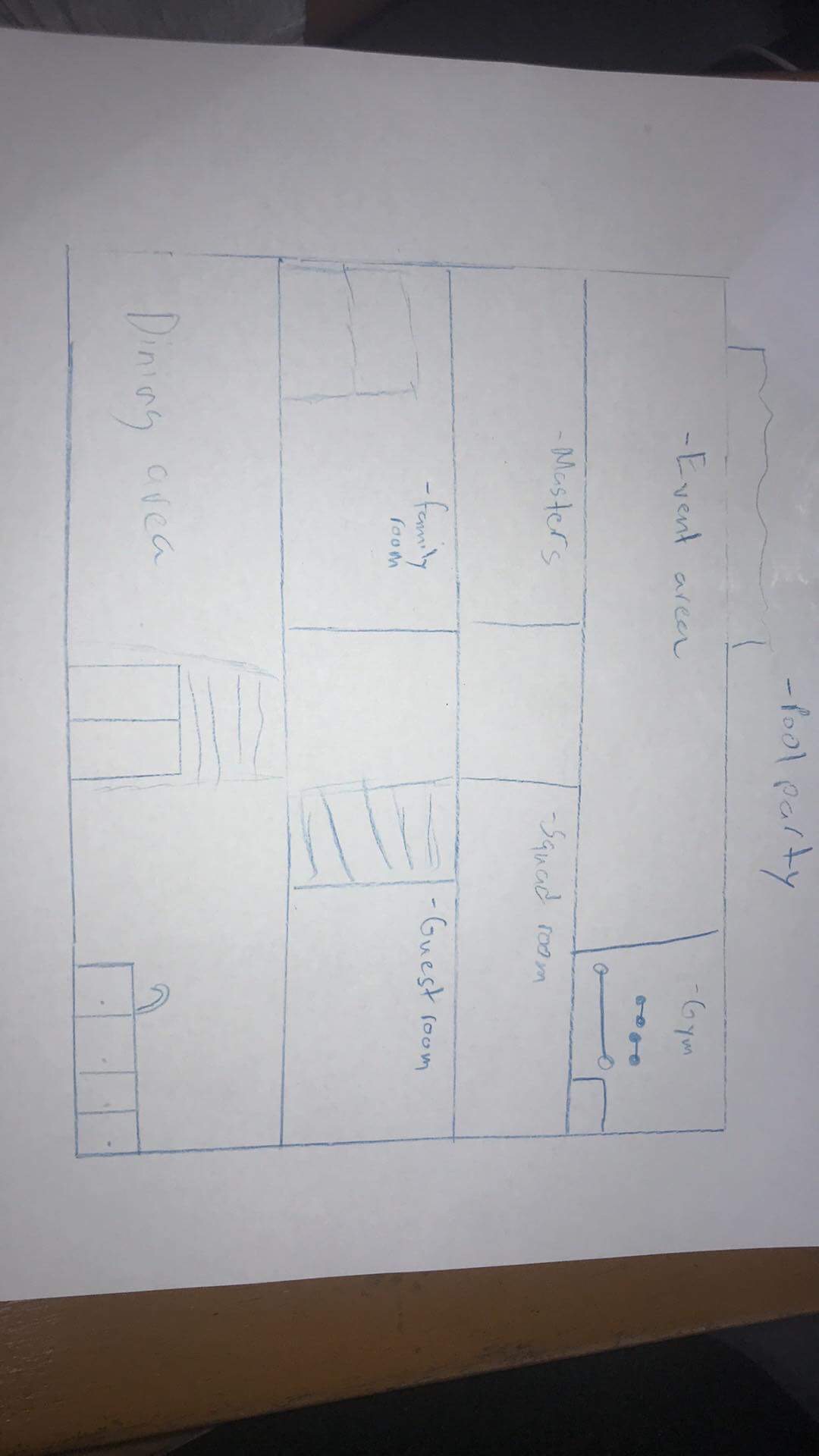
The house that I have drawn unintentionally reflected a few characteristics of me. In this picture we were tasked with having to draw an imaginary house with all the things we would want in it. Who would be in it? Who would be out of it? How many rooms are in that house? 

In this task, I drew a floor plan for my house. Right from the get-go, I drew a basic square and four floors that contain a dining area, rooms for friends and family, an event area, a gym, and a gathering area at the top. At the initial glance after finishing this exercise, I can tell that I’m not a person who goes deeply into the design and measurements of this house, but more onto the content inside the house and activities that can be done into it. This is true in some facets because I was never the person to focus on the details of what I do but rather the quality of the experience it permits me. I provided a family room too because family has always been part of my definition of home. I’ve always  believed that family is what makes a house a home. Another part of the house that I noticed, is that the “masters” bedroom should be naturally the biggest room in the house, but I didn’t make it such because I don’t prefer to have something more than what others have. I feel a sense of guilt if I have more than what others do. A striking part of my house is the space I provide for my friends and so called “squad”. From my alma matter, I got to go to school with my friends for more than 12 years and I have had beautiful experiences with them. They hold a special place in my place and I guess that’s why I had to give them a part of home. The “squad” room which is arguably not important to a home. These close group of friends that I have are used to coming to one house and camping out in a room after school and spending time with each other. Having known them for 12 years, they are almost like brothers to me.